The Nato Vachnadze Foundation,
established by filmmakers and family members, aims to continue the legacy of the Vachnadze/Shengelaia filmmaking family while sparking positive change in the cinema industry.
By celebrating and studying the past, the foundation aims to empower future filmmakers and promote contemporary Georgian cinema.Through various initiatives, the organization is committed to advancing Georgia’s cultural scene.
The Nato Vachnadze Museum will be a central space for workshops, film screenings, and educational residencies.
History
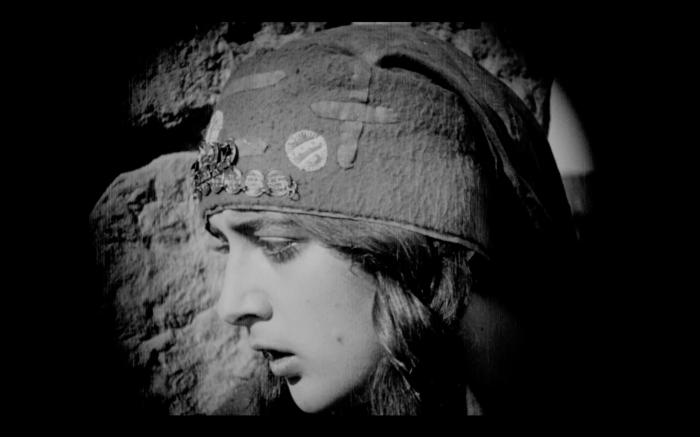
Nato Vachnadze is often regarded as the first Soviet silent film star whose fame has never been matched in the region. Yet behind this celebrated image lies the life of a true pioneer of silent cinema, full of tragedies.
She lost her father at an early age and, by the age of thirteen, was already working to support her family—her mother and three siblings. Her early employment included work in a match factory and later in rubber factories, reflecting the hardship and responsibility she assumed from a young age.
At the age of nineteen, her life completely changed when director Hamo Beknazarian came across her photograph in an atelier and invited her to participate in films. From that moment, she embarked on an extensive film career. However, stardom in the Soviet Union did not afford her the luxuries associated with Hollywood. She remained the primary support for her large family and lived without financial security. Alongside acting, Nato worked as an editor and assistant director for one of the first Soviet female directors, Esther Shub. Nato Vachnadze’s box-office success helped shape the Georgian film studio Sakhkinmretsvi.
Nato’s second husband, the director Nikoloz Shengelaia, frequently faced censorship and was unable to realise many of his artistic ambitions. He was one of the innovators of Soviet montage and a leading figure in film alongside Eisenstein, Pudovkin, Kalatozishvili, and others.
He passed away at the age of 41 from a heart attack. Nato was left alone with three children.
The family endured another tragedy under the Soviet regime: Nato’s brother-in-law, author Boris Pilnyak, was executed as an “enemy of the state,” and her sister, director and actress Kira Andronikashvili, was sent into exile. Kira was one of the few female students of Sergei Eisenstein. Years later, Kira was rehabilitated.
Nato’s older sister, Tamara Andronikova, was also sadly cut off from the family, as she could not return from France during the Soviet occupation. When the repressions began, their mother, Ekaterina Slivitskaya, sent her a letter urging her to stop correspondence, as they could be in danger for being in contact with someone in Europe.
Nato Vachnadze tragically passed away in a plane crash in 1953.
In 2024, marking the 120th anniversary of Nato Vachnadze’s birth, we reflected on the enduring significance of her legacy. We concluded that it resides not only in her artistic achievements but also in the values she embodied: resilience, solidarity, and dedication to the craft of filmmaking. This vision is reflected in the mission of Nato’s foundation, which seeks to celebrate and support film professionals across all disciplines.
Creating the Film Award Eliso was one of our first initiatives. Eliso, widely regarded as the first Georgian feminist film, was directed by Nikoloz Shengelaia, features Kira Andronikashvili in the titular role. The character Eliso has come to symbolise a victorious woman in resistance against injustice.
Through Nato Vachnadze’s foundation, we honour her legacy by fostering filmmaking and extending care and support to others, reflecting what may be understood as the central leitmotif of her life.